Optimal Timing for Siding Service
Determining the optimal time for siding service depends on various factors including weather conditions, temperature, and project scope. Generally, mild weather with temperatures between 50 and 85 degrees Fahrenheit provides ideal conditions for siding installation and repair. Extreme cold or heat can affect material performance and installation quality.
These seasons offer moderate temperatures and longer daylight hours, making them suitable for siding projects. Weather is typically stable, reducing delays and complications.
Ideal for scheduling siding work before colder months. Cooler temperatures help materials set properly, and there is less humidity, which benefits installation quality.
Cold temperatures and snow can hinder siding installation, cause material issues, and lead to delays. Freezing conditions can compromise adhesives and sealants.
Local weather patterns influence the best timing. In Illinois, spring and fall generally offer the most favorable conditions for siding service.
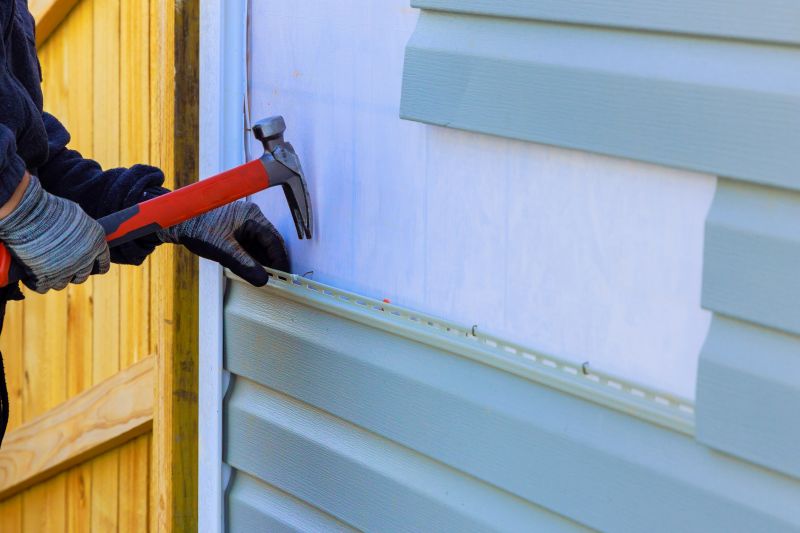
A contractor installs new siding during mild spring weather, ensuring optimal adhesion and finish.
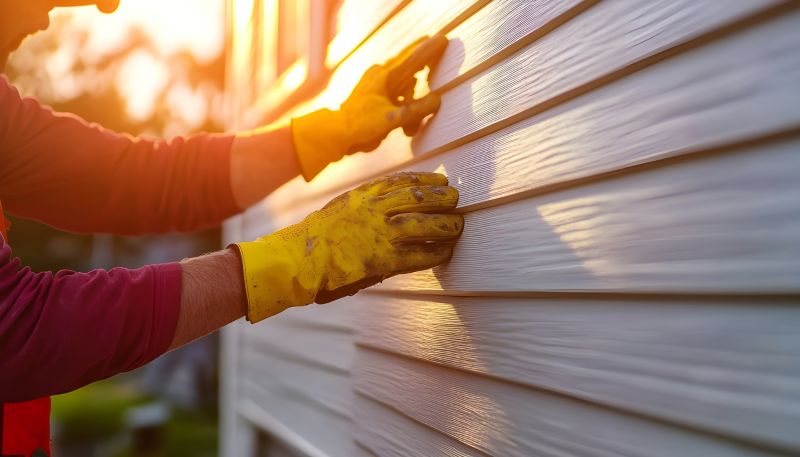
Inspecting and repairing siding during summer months can prevent damage from heat and humidity.
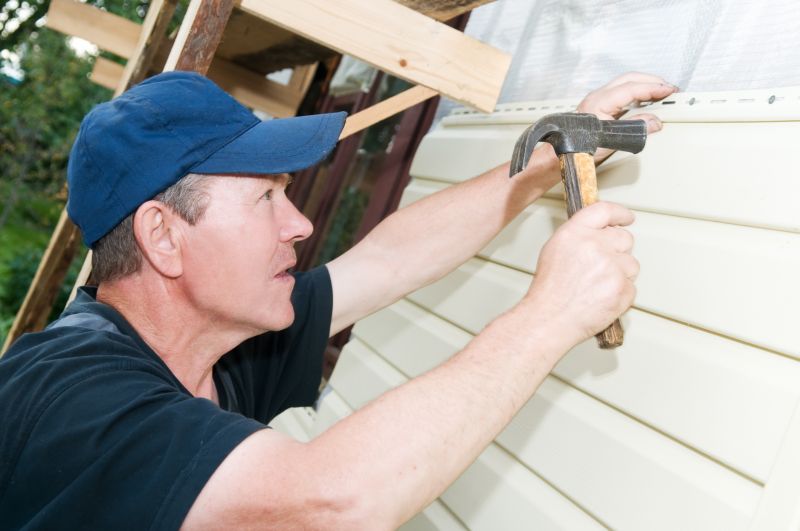
Upgrading siding in fall allows preparation for winter, with cooler temperatures aiding installation.
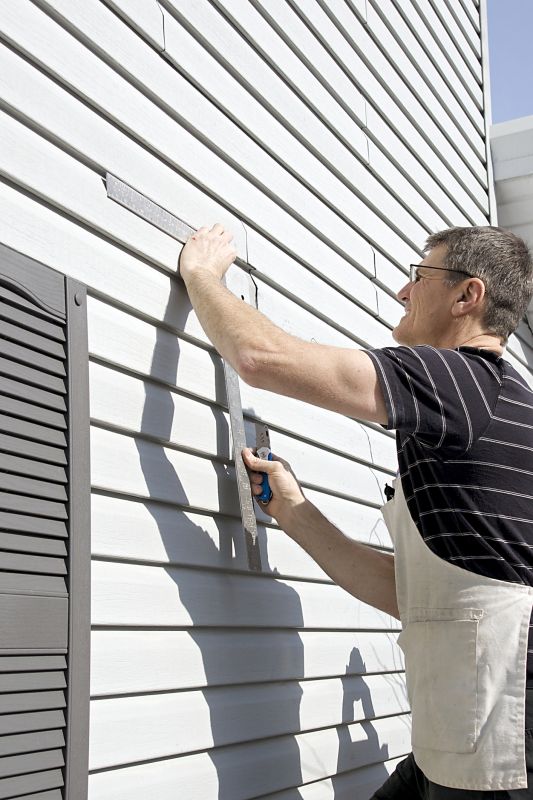
Ways to make Siding Service work in tight or awkward layouts.
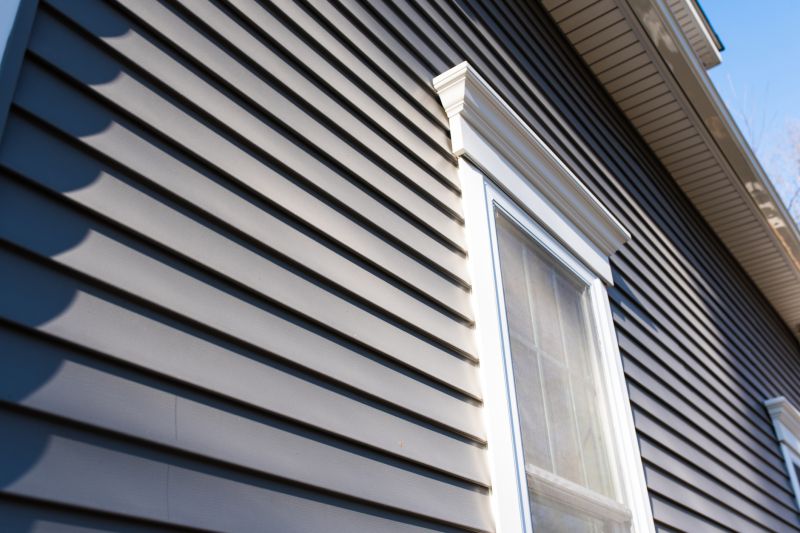
Popular materials for Siding Service and why they hold up over time.
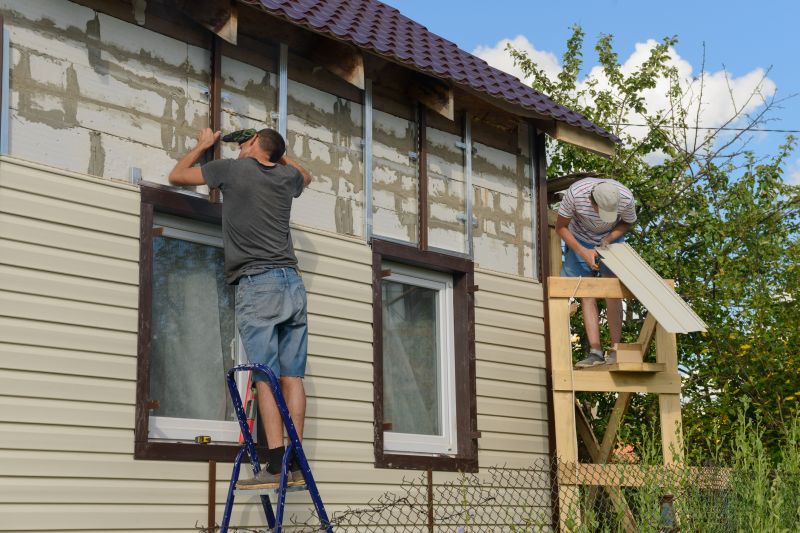
Simple add-ons that improve Siding Service without blowing the budget.
| Season | Ideal Timing |
|---|---|
| Spring | Late March to early June |
| Summer | June to August |
| Fall | September to November |
| Winter | Not recommended |
Siding service enhances the exterior appearance of a property while providing protection against weather elements. Proper timing ensures durability and optimal performance of siding materials. Regular inspections and timely repairs can extend the lifespan of siding, which is critical for maintaining the structural integrity and aesthetic appeal of a building.
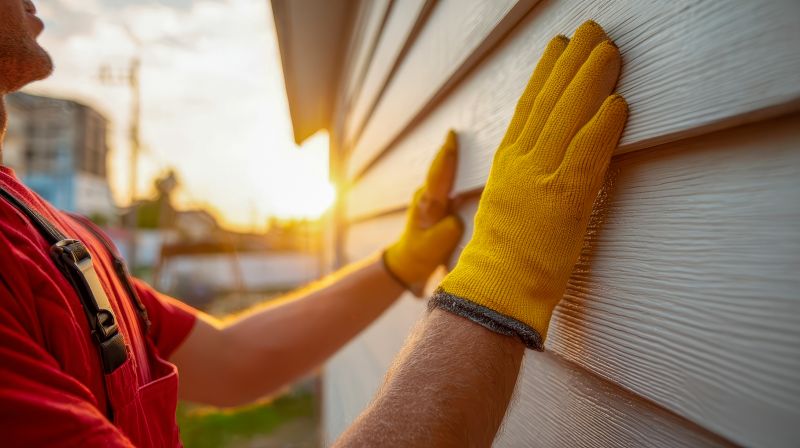
Spring is suitable for repairing damaged siding before harsher weather arrives.
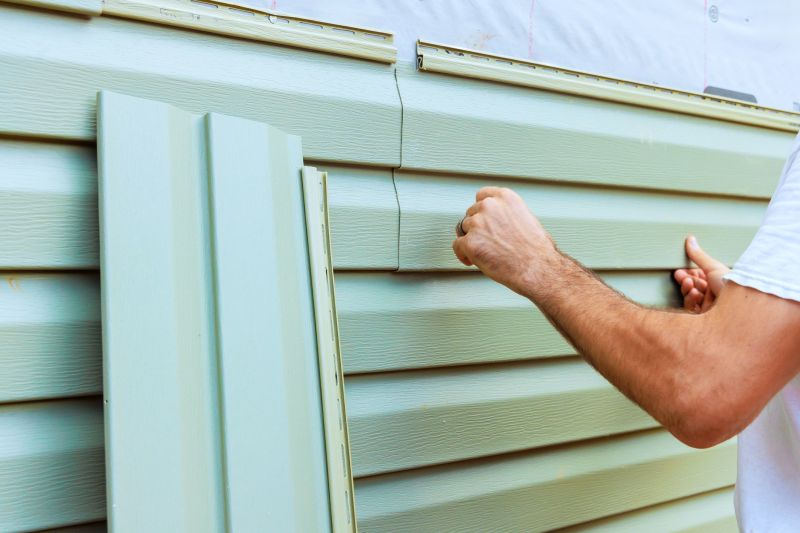
Summer allows for thorough inspections and minor repairs.
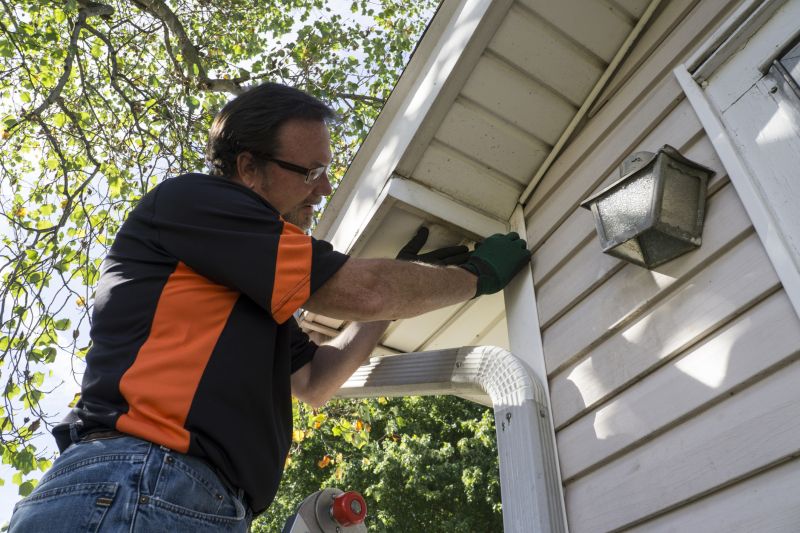
Replacing siding in fall prepares the home for winter.
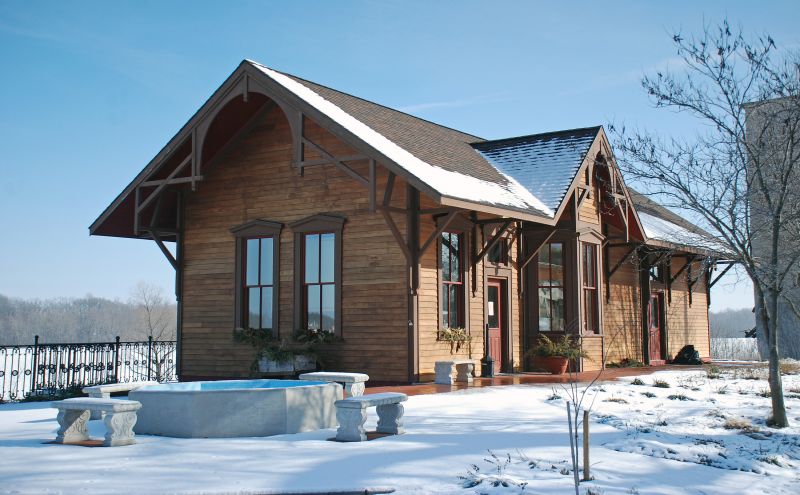
Winter is generally not recommended for siding work due to weather constraints.
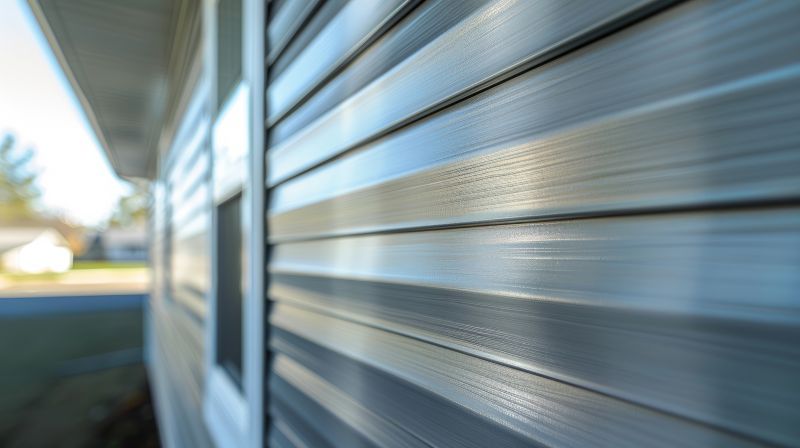
High-end options that actually feel worth it for Siding Service.
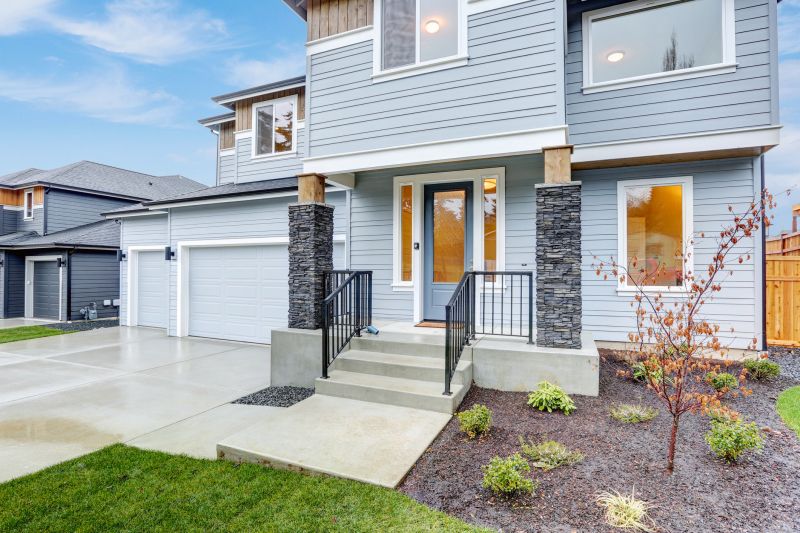
Finishes and colors that play nicely with Siding Service.
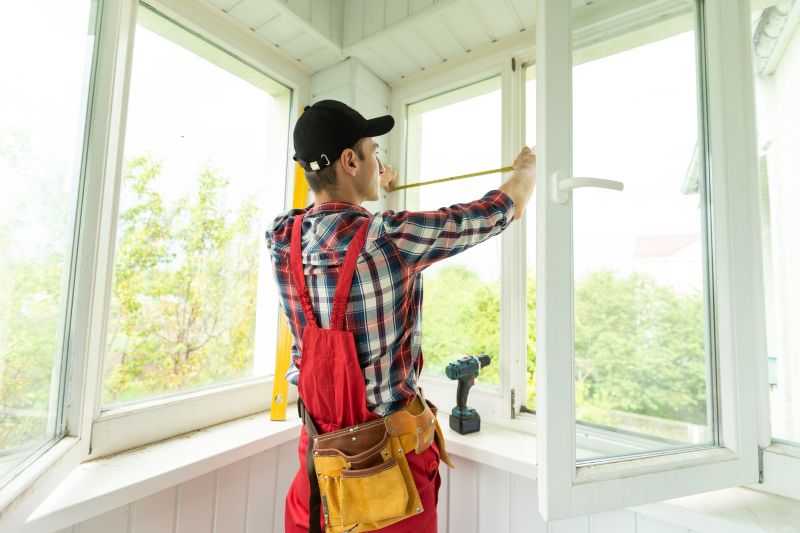
Little measurements that prevent headaches on Siding Service day.
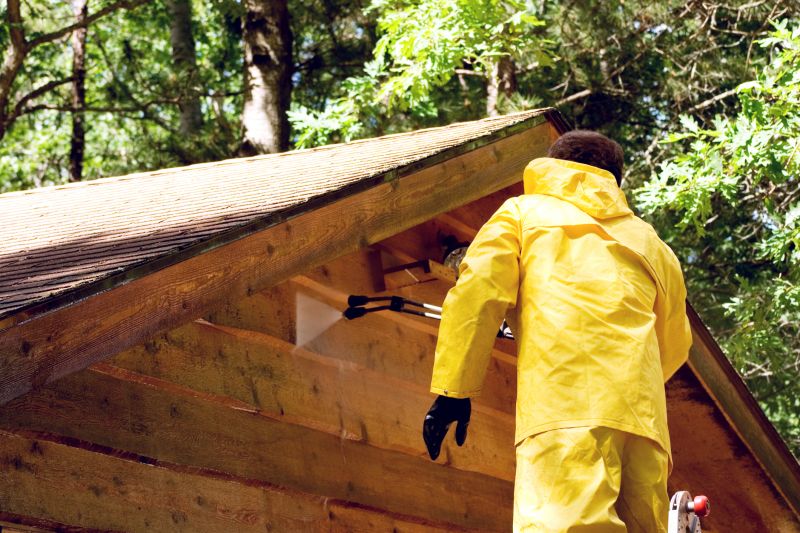
A 60-second routine that keeps Siding Service looking new.
Installation duration varies based on project size but generally ranges from a few days to a week.
Weather conditions, temperature, and project scope are primary factors affecting timing.
Winter installation is possible in mild conditions but is generally discouraged due to weather challenges.
Fall provides cooler temperatures and less humidity, which can enhance installation quality and prepare the home for winter.